






















A retired couple has filed a federal lawsuit against Bitcoin Depot after allegedly losing $76,000 in life savings to a sophisticated cryptocurrency ATM scam—an incident that is reigniting national concern over fraud targeting vulnerable Americans.
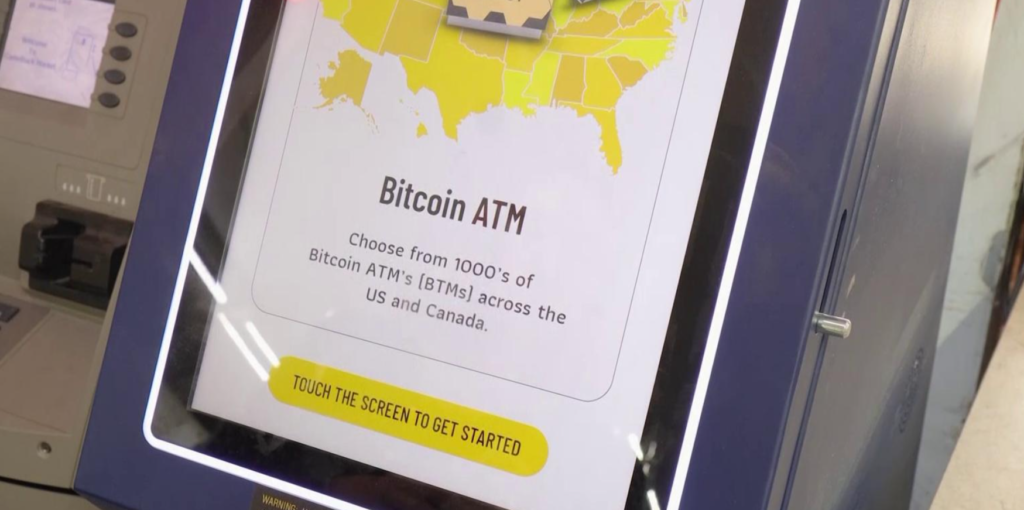
According to court filings, the couple claims they were manipulated by scammers who posed as trusted authorities and urgently instructed them to withdraw funds and deposit the money through a Bitcoin ATM. Believing they were protecting their finances, the victims followed the instructions—only to realize too late that the funds had been transferred directly into the hands of criminals.
The lawsuit argues that Bitcoin Depot failed to implement sufficient safeguards to prevent fraudulent transactions, particularly for large sums and high-risk scenarios involving elderly users. It raises questions about whether operators of crypto ATMs should be held accountable for failing to detect or intervene in suspicious activity.
Cryptocurrency scams have surged in recent years, with fraudsters increasingly exploiting fear, urgency, and confusion to trick victims. Bitcoin ATMs, which allow users to convert cash into cryptocurrency quickly and often anonymously, have become a preferred tool for scammers due to the difficulty of reversing transactions once completed.
Consumer protection advocates warn that these scams often follow a familiar pattern: victims receive alarming messages—sometimes impersonating government agencies, tech support, or financial institutions—claiming their accounts are compromised or they are under investigation. They are then directed to act immediately, bypassing normal banking safeguards.
Legal experts say this case could have broader implications. If the court finds that ATM operators bear responsibility for failing to prevent fraud, it could lead to tighter regulations, enhanced verification systems, and new compliance requirements across the industry.
Meanwhile, authorities continue to urge the public to remain vigilant. Legitimate organizations will never request payment via cryptocurrency or demand urgent financial action through unconventional methods like Bitcoin ATMs.

For the couple involved, the lawsuit is about more than financial recovery—it’s about accountability and preventing others from falling victim to similar schemes.
As digital finance continues to evolve, this case highlights a critical challenge: balancing innovation with consumer protection in an increasingly complex financial landscape.