


















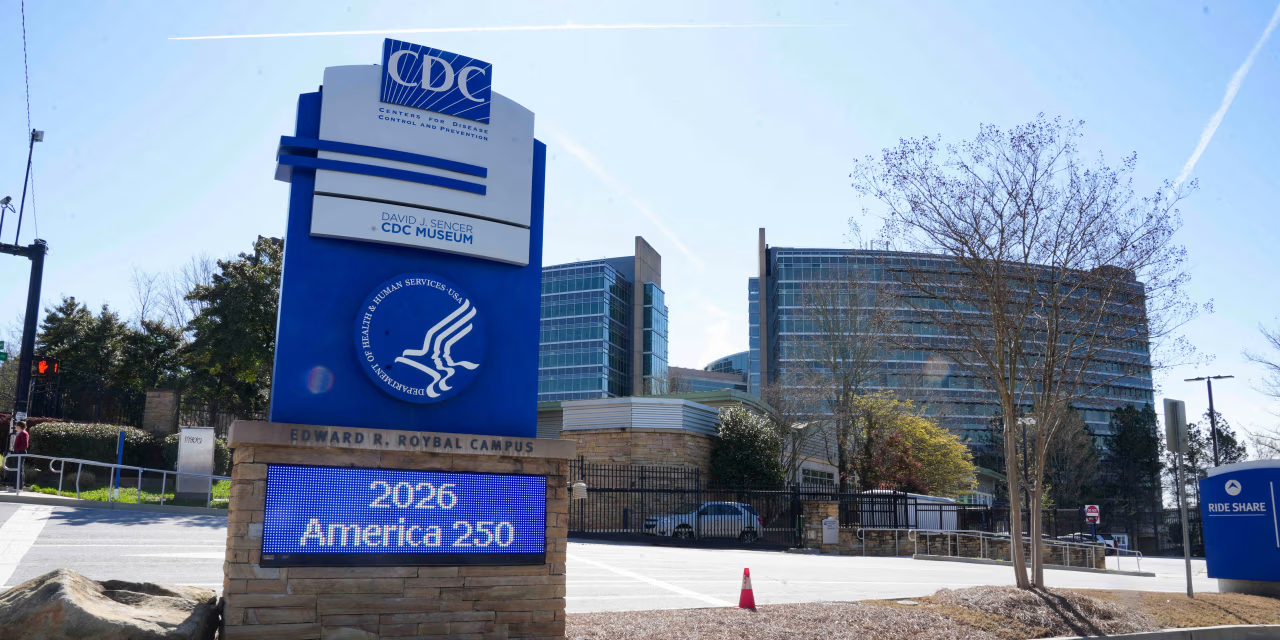
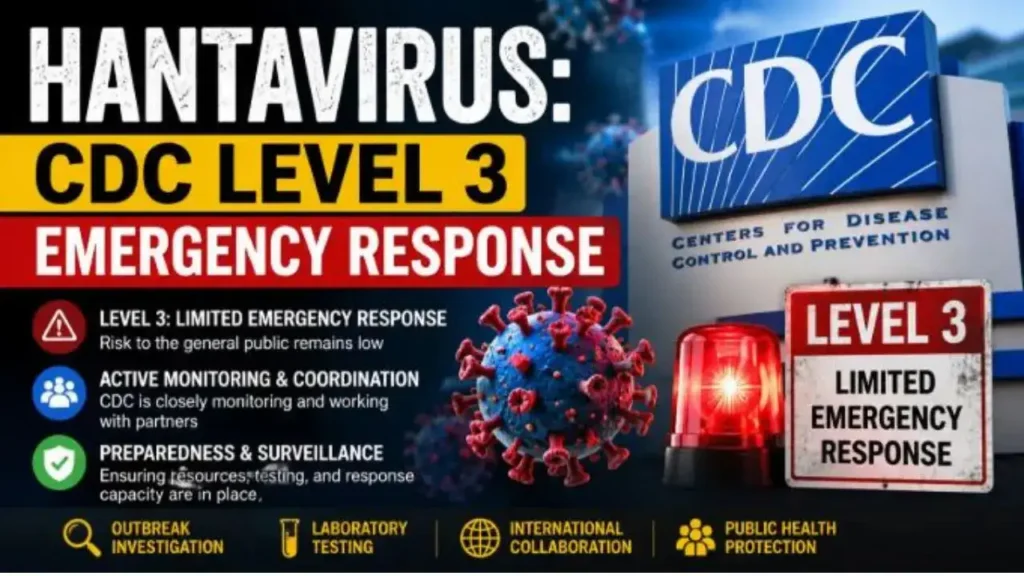
Global health authorities are stepping up efforts to contain a growing hantavirus outbreak, as the Centers for Disease Control and Prevention (CDC) confirmed it is actively coordinating with the World Health Organization (WHO) and international partners.
The move signals rising concern among health officials, as hantavirus cases—while typically rare—can carry serious and sometimes fatal consequences if not identified and managed early.
What Is Hantavirus?
Hantavirus refers to a group of viruses primarily spread through contact with infected rodents, particularly via urine, droppings, or saliva. In humans, it can lead to severe respiratory illness known as Hantavirus Pulmonary Syndrome (HPS), which has a high mortality rate if untreated.
Symptoms often begin like the flu but can escalate rapidly:
- Fever and chills
- Muscle aches
- Fatigue
- Shortness of breath (in advanced stages)
Because early symptoms are non-specific, rapid diagnosis can be challenging.
International Coordination Intensifies
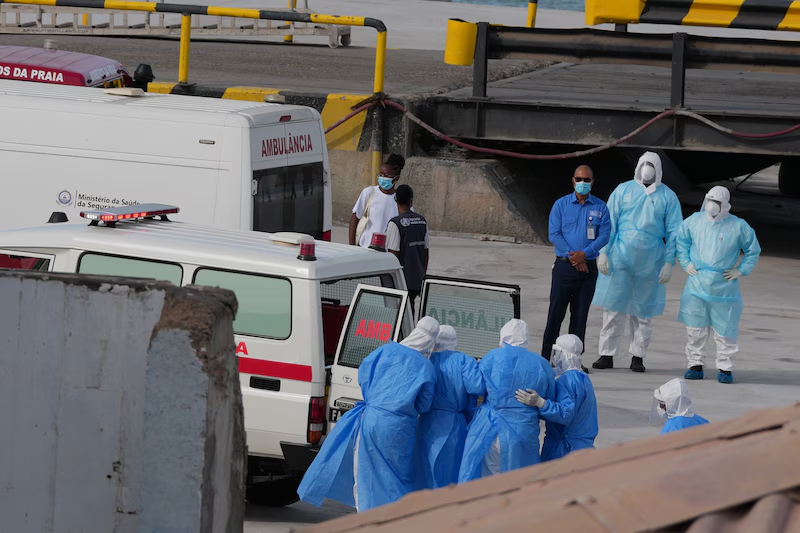
The CDC’s collaboration with the WHO highlights the seriousness of the current situation. Joint efforts are expected to include:
- Data sharing across countries to track spread patterns
- Rapid response teams in affected regions
- Public health guidance to limit exposure risks
- Laboratory support for faster detection and confirmation
Such coordination is crucial in preventing localized outbreaks from becoming broader regional threats.
Where Are Cases Emerging?
While officials have not yet disclosed the full geographic scope, hantavirus outbreaks are most commonly reported in rural or semi-rural areas where human contact with rodent populations is more likely.
Historically, regions in the Americas, parts of Europe, and Asia have seen sporadic cases. Authorities are now closely monitoring any unusual clusters or spikes that could indicate wider transmission.
Public Health Guidance
Health agencies are urging the public—especially those in affected or high-risk areas—to take precautionary measures:
- Avoid contact with rodents and their habitats
- Seal homes and storage areas to prevent rodent entry
- Use protective equipment when cleaning potentially contaminated spaces
- Seek medical attention if symptoms develop after possible exposure
A Measured but Serious Response
Unlike highly contagious airborne viruses, hantavirus does not typically spread from person to person (with rare exceptions), which limits the likelihood of a global pandemic. However, its severity makes containment and awareness critical.
The CDC and WHO’s early coordination suggests a proactive approach—aimed at controlling the outbreak before it escalates further.
Final Word
In an era shaped by global health crises, even relatively rare diseases demand swift, coordinated responses. The partnership between the CDC and WHO underscores a key reality: in today’s interconnected world, no outbreak is ever truly isolated.