



















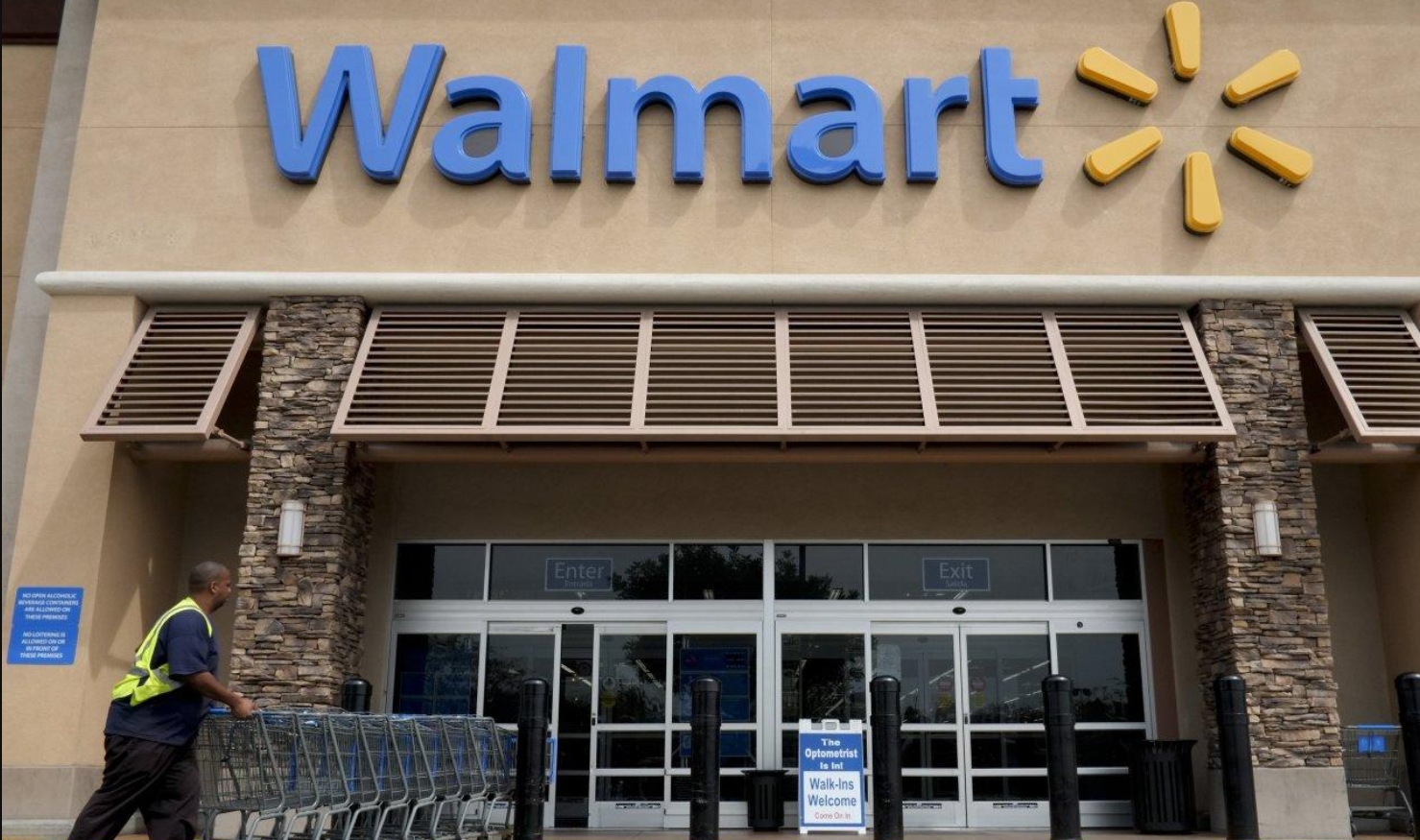
Retail giant Walmart has issued a nationwide recall of a widely purchased product after health officials warned it could pose a risk of serious — and in rare cases, fatal — infection. The recall has prompted urgent alerts across the United States, with consumers being advised to check their homes immediately.
According to initial reports, the affected product may be contaminated with harmful bacteria capable of causing severe illness, particularly among vulnerable populations such as young children, the elderly, pregnant women, and individuals with weakened immune systems. While the exact scope of illnesses linked to the product has not been fully disclosed, authorities are treating the situation with a high level of caution.

Health experts note that infections of this nature can lead to symptoms ranging from fever and nausea to more serious complications, including bloodstream infections and organ damage. In some cases, delayed treatment can significantly increase the risk of severe outcomes.
The recall was initiated after routine safety checks and reports raised concerns about potential contamination during production or distribution. Regulatory agencies and Walmart are working together to identify the source of the issue and prevent further exposure. Stores have begun removing the product from shelves, and customers who have already purchased it are being urged not to consume or use it.
Consumers are advised to check packaging details such as batch numbers, expiration dates, and product descriptions against official recall notices. Those who may have used the product and are experiencing unusual symptoms should seek medical attention immediately.
Walmart has stated that customer safety remains its top priority and is offering refunds or exchanges for affected items. The company is also cooperating fully with health authorities to ensure a swift and thorough response.
This incident highlights the importance of food and product safety monitoring systems, which are designed to catch potential risks before they become widespread public health crises. Still, it also serves as a reminder that consumers should stay informed about recalls and act quickly when alerts are issued.
As more information becomes available, officials are expected to release detailed guidance, including specific product names and distribution areas. For now, vigilance and prompt action are key to minimizing risk.