














A newly released video shared by Donald Trump has ignited widespread attention and debate online, after it featured a Nigerian pastor speaking over victims of what he described as massacred Christians in Nigeria. The video, accompanied by Trump’s caption “watch what’s next” and “No games!”, has quickly gone viral, raising questions about potential U.S. actions in the region.
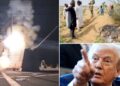
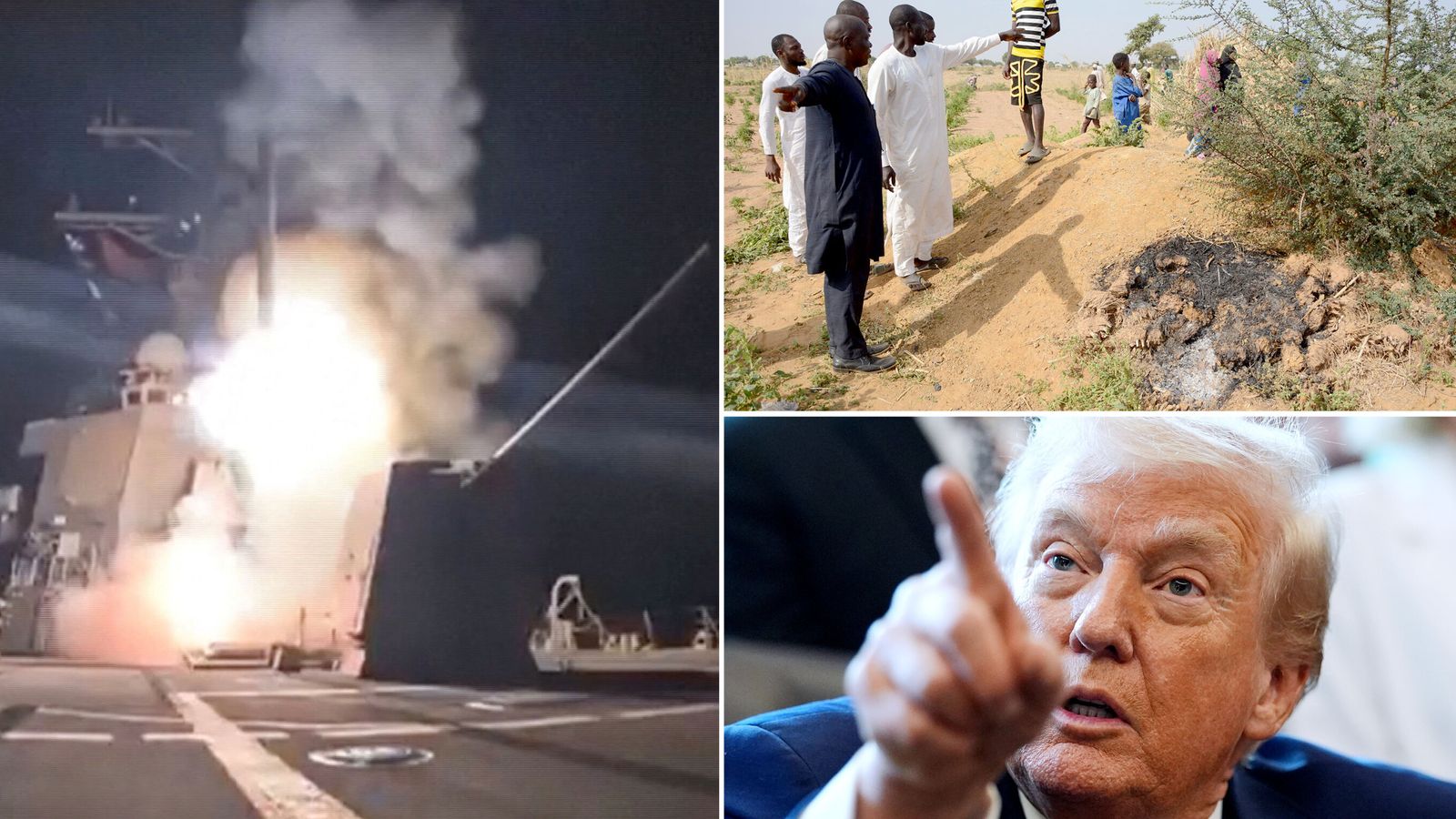
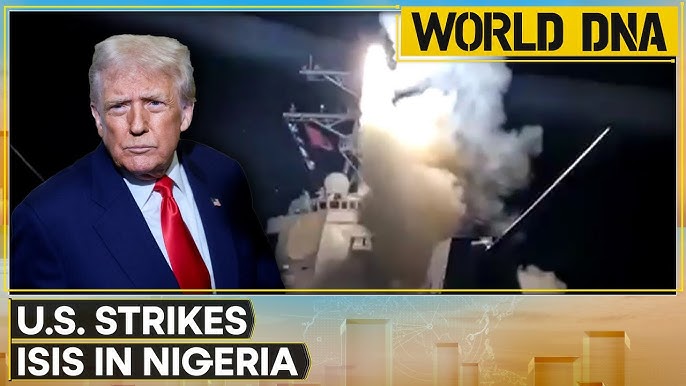
Shortly after the video surfaced, reports began circulating that a targeted military strike had been ordered against a high-ranking figure described as the second-in-command of ISIS operating within Nigeria. While official confirmation remains limited at the time of writing, the development has intensified global focus on extremist violence in the region and the international response to it.
Nigeria has long faced security challenges linked to extremist groups, including factions affiliated with ISIS and other militant organizations. These groups have been responsible for attacks on civilians, religious communities, and infrastructure, contributing to ongoing instability in certain parts of the country. The video highlighted the human cost of these conflicts, drawing emotional reactions from viewers and renewed calls for action.
Supporters of strong intervention argue that decisive measures are necessary to combat terrorism and protect vulnerable populations. Critics, however, caution that escalating military responses can carry broader geopolitical consequences and stress the importance of coordinated international strategies.
The situation also underscores the growing role of social media in shaping public perception and political messaging. By releasing such a video, Trump has once again demonstrated how digital platforms can amplify global issues and influence the narrative surrounding them.
As more details emerge, attention will remain fixed on how this situation develops — both in terms of confirmed military actions and the broader implications for security and diplomacy in the region. The international community is expected to monitor closely, particularly regarding the impact on local populations and ongoing counterterrorism efforts.