



















The NASCAR world was thrown into confusion and concern this week after alarming rumors began circulating online claiming that veteran driver Kyle Busch had passed away. The shocking claims spread rapidly across social media, leaving fans stunned and searching for answers.
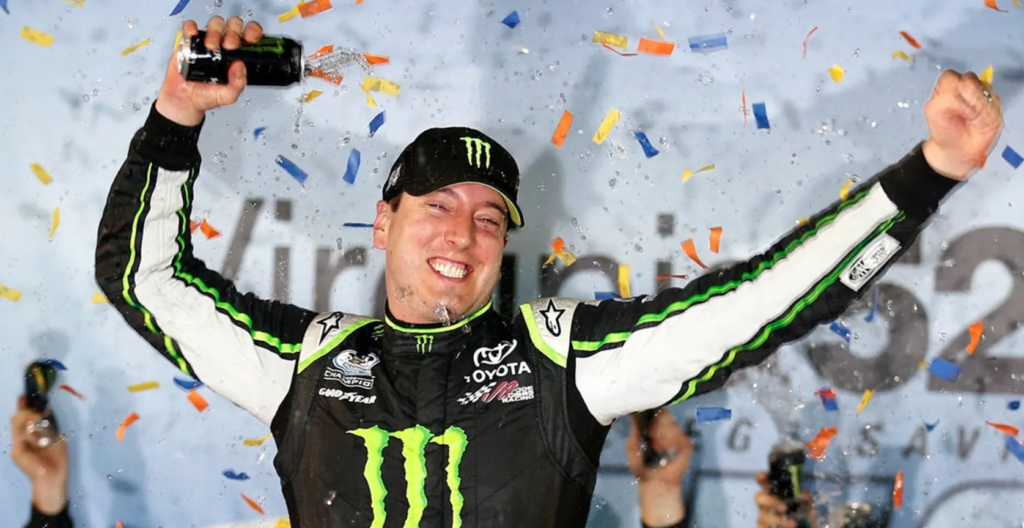
Within hours, however, it became clear that the reports were unfounded. No official statement from NASCAR, Busch’s team, or any credible news outlet confirmed the claims. As the situation unfolded, the story quickly shifted from tragedy to a cautionary tale about the speed and impact of misinformation in the digital age.
Kyle Busch, a two-time NASCAR Cup Series champion and one of the most recognizable figures in the sport, remains active and continues to compete at the highest level. Known for his aggressive driving style and competitive spirit, Busch has built a legacy that commands attention—making him an easy target for viral hoaxes designed to generate clicks and reactions.
The incident highlights a growing issue within sports media and online communities: the rapid spread of unverified information. In today’s fast-paced digital environment, a single misleading post can trigger widespread panic before the truth has a chance to catch up.
Fans and analysts alike have voiced frustration over the situation, calling for greater responsibility when sharing breaking news. Many pointed out that false death reports not only mislead audiences but also show a lack of respect toward the individuals involved and their families.
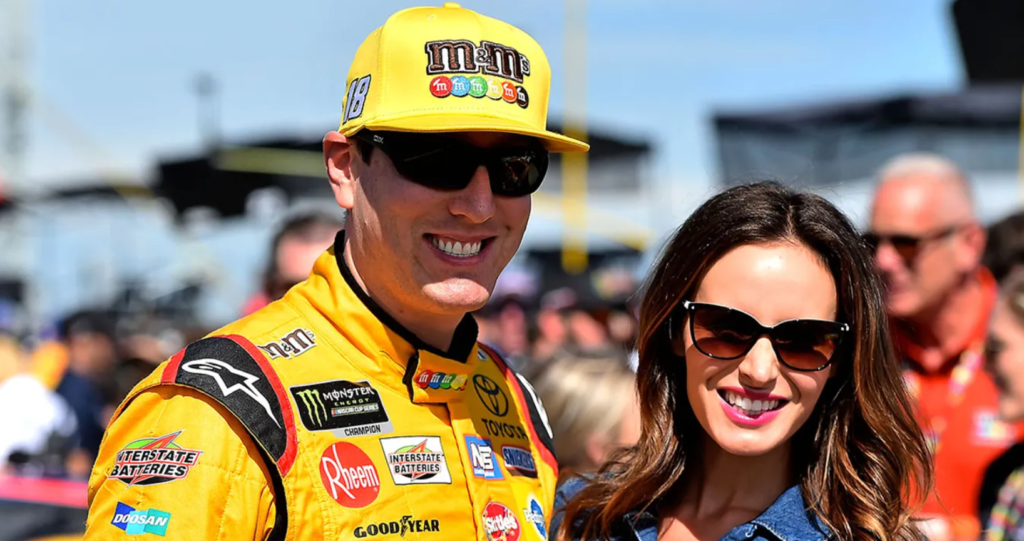
This moment serves as a reminder of the importance of verifying sources before reacting or sharing news—especially when it involves serious claims. As NASCAR continues its season, the focus now returns to the track, where Kyle Busch remains a central figure in the competition.
While the rumor may have been false, its impact was very real—proving once again that in the age of viral content, truth can sometimes struggle to keep pace.