


















The World Health Organization (WHO) has issued a concerning update regarding the ongoing Ebola outbreak, warning that the crisis is unlikely to be contained within the next two months and could persist for a longer, more complex period. The announcement has heightened global awareness, prompting governments and health agencies to reassess preparedness and response strategies.
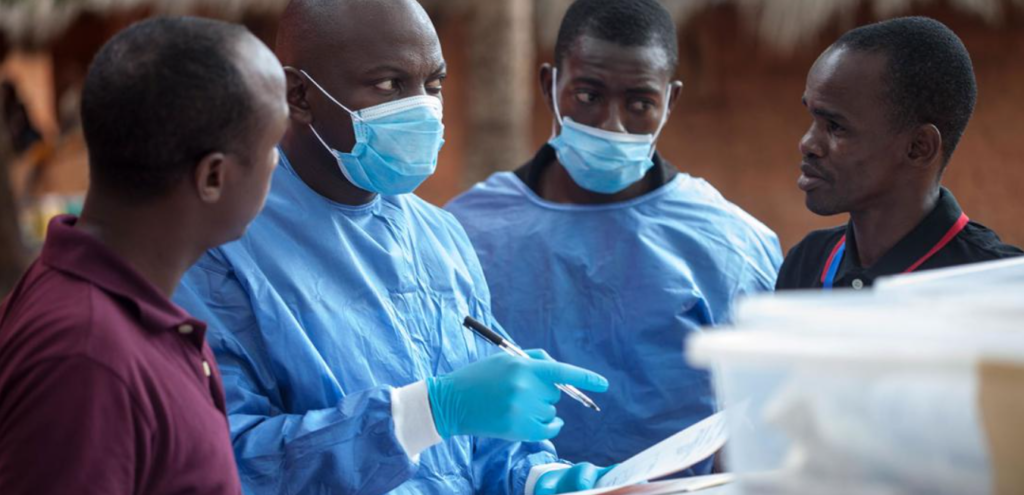
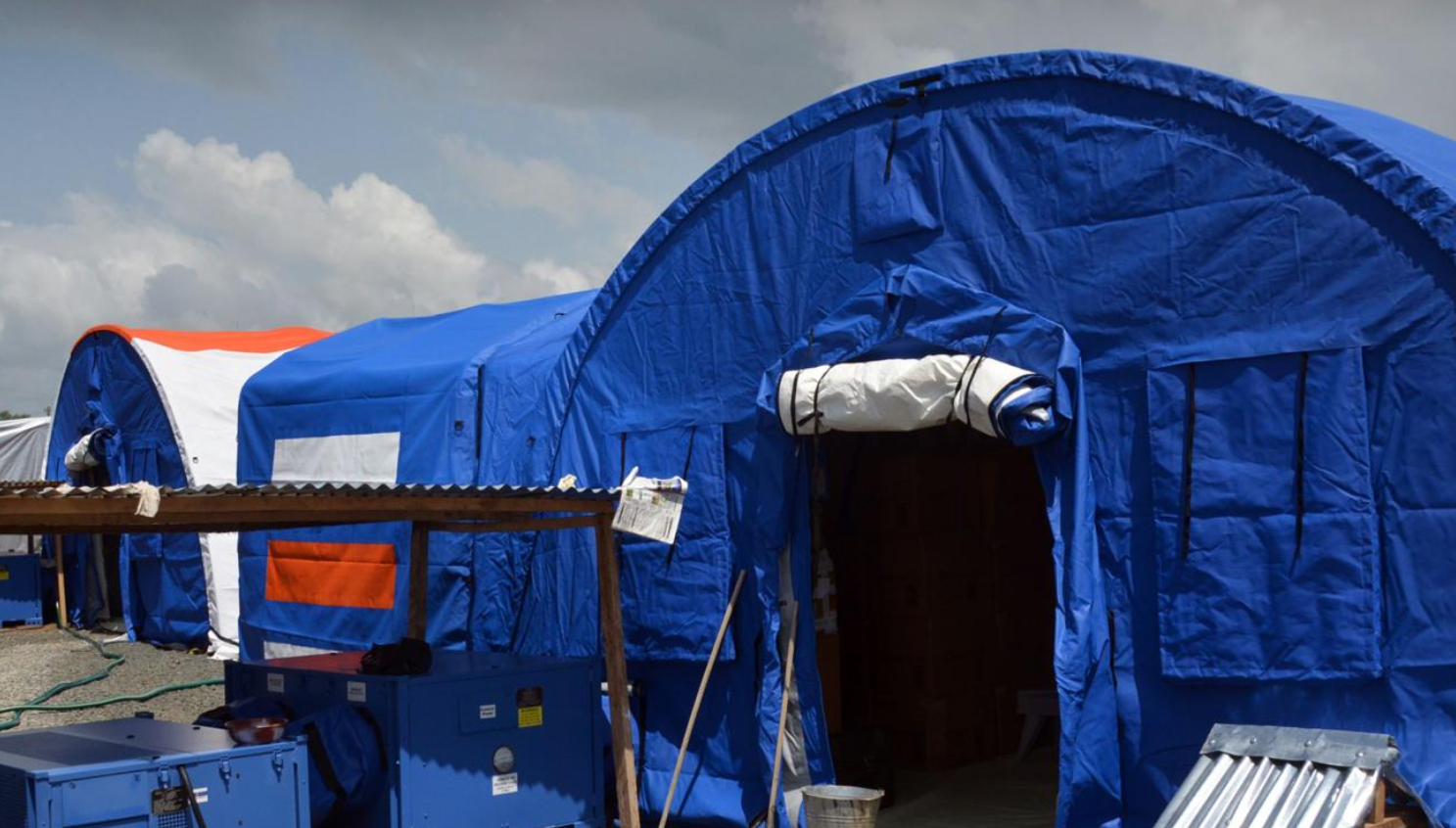
Ebola, a highly infectious and often fatal disease, has historically posed significant challenges in outbreak management, particularly in regions with limited healthcare infrastructure. The WHO’s latest warning suggests that containment efforts are facing obstacles, including difficulties in contact tracing, limited medical resources, and community resistance in some affected areas.
Health officials emphasize that while progress has been made in deploying vaccines and improving rapid response protocols, the unpredictable nature of Ebola outbreaks makes it difficult to establish a precise timeline for containment. Previous outbreaks have shown that even a small number of undetected cases can lead to renewed transmission, prolonging the crisis.
The extended duration of the outbreak raises concerns not only for public health but also for economic stability and regional security. Travel restrictions, strained healthcare systems, and disruptions to local economies are among the potential ripple effects. International organizations are urging coordinated action, including increased funding, medical support, and public awareness campaigns to curb the spread.
Experts also highlight the importance of community engagement in controlling the outbreak. Misinformation and fear can hinder response efforts, making it critical for authorities to build trust and ensure accurate information reaches affected populations. Education campaigns about hygiene practices, early symptom recognition, and safe burial procedures are considered essential tools in slowing transmission.
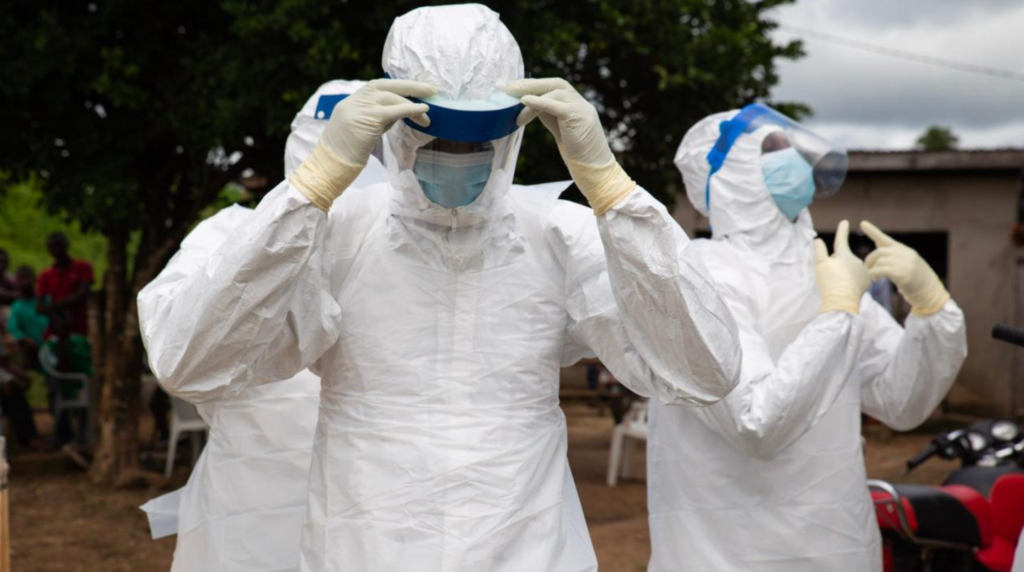
Globally, the WHO is working alongside governments and partner organizations to monitor the situation closely and adapt strategies as needed. The possibility of the outbreak lasting longer than initially anticipated serves as a reminder of the persistent threat posed by infectious diseases in an interconnected world.
As the situation evolves, health authorities continue to stress vigilance, preparedness, and international cooperation. While the timeline remains uncertain, the focus remains clear: containing the outbreak, saving lives, and preventing further spread beyond the affected regions.