





















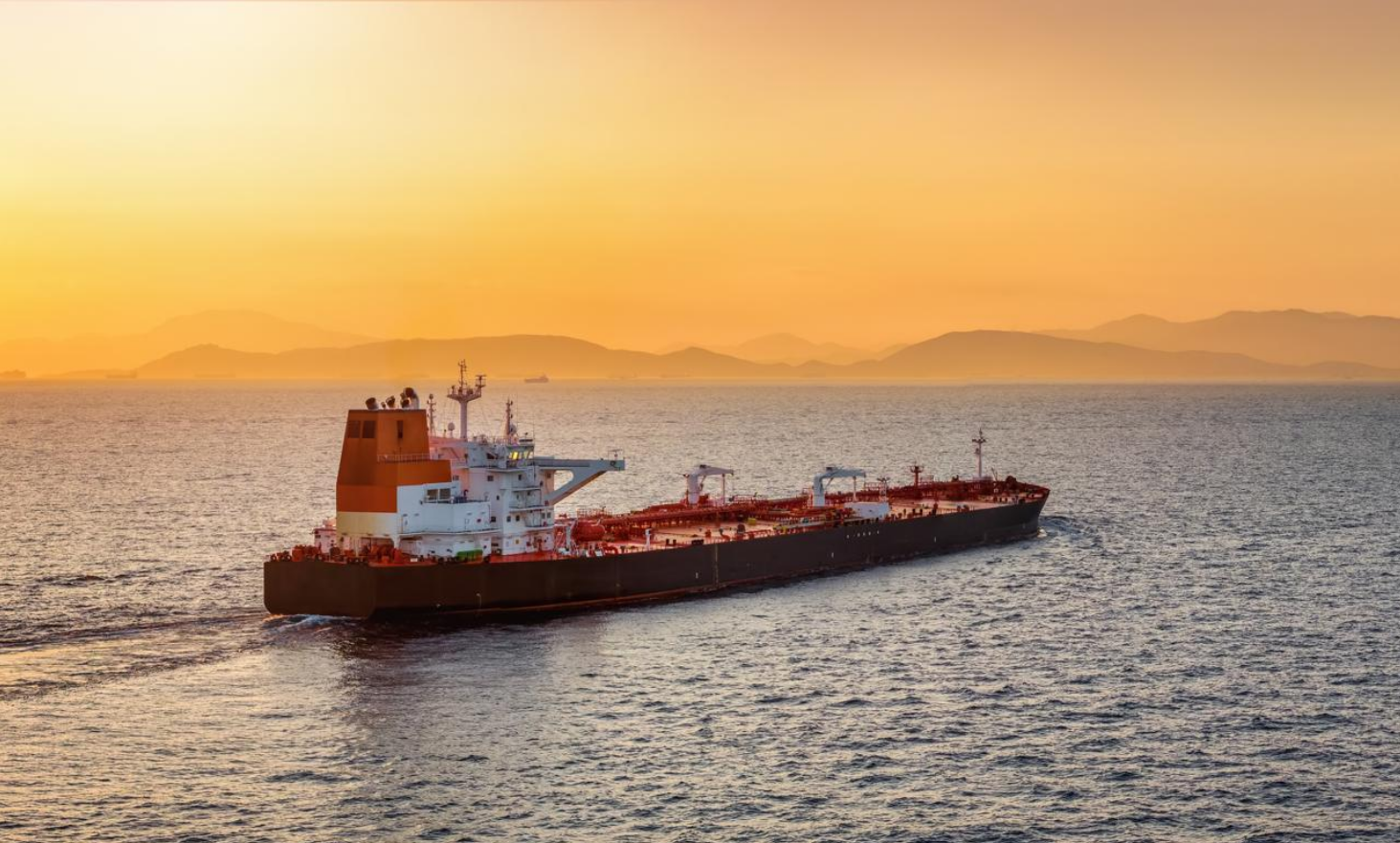
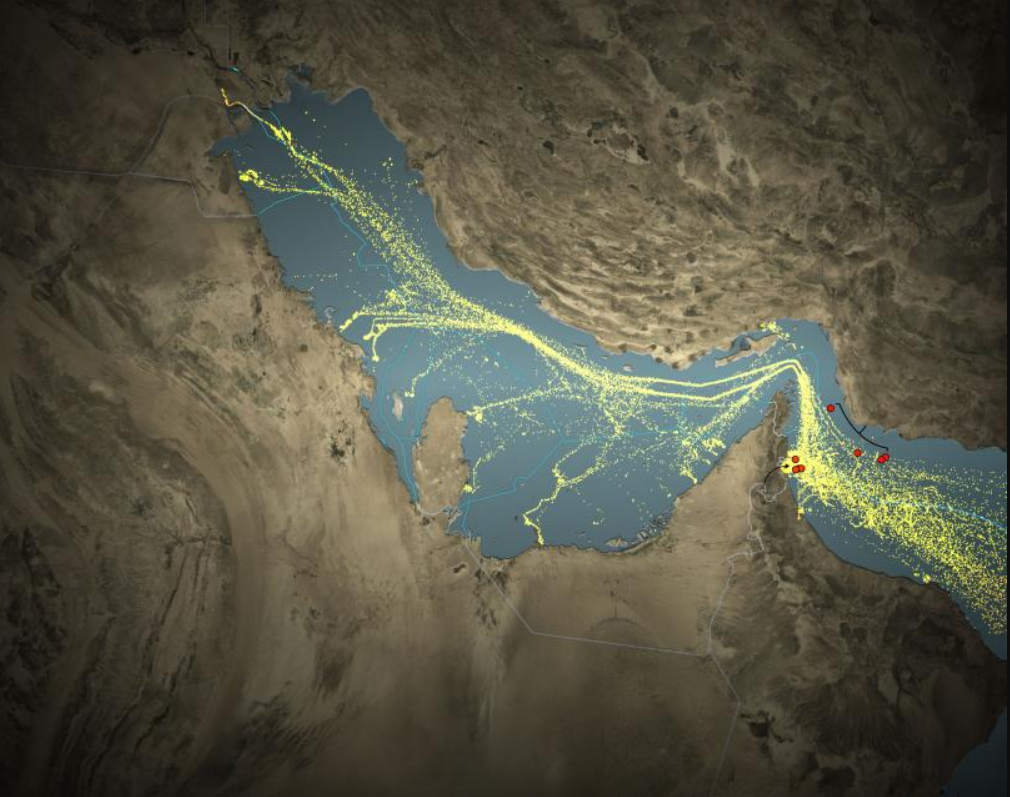
A massive oil supertanker loaded with crude from Iraq has exited the Persian Gulf, signaling a potentially important development in ongoing regional negotiations that could influence global energy markets.
The vessel’s departure comes at a time of heightened diplomatic activity, with multiple parties engaged in discussions that may impact oil exports, sanctions frameworks, and broader geopolitical stability in the Middle East. While officials have not publicly linked the tanker’s movement directly to the talks, analysts suggest the timing is unlikely to be coincidental.
Iraq, one of the world’s major oil producers and a key member of OPEC, plays a significant role in balancing global supply. Any shift in its export patterns can ripple through international markets, affecting prices, trade flows, and energy security for importing nations.
Shipping data indicates that the supertanker is now heading toward international waters, where it may either proceed to a designated buyer or remain at sea awaiting further instructions. In similar situations, tankers have sometimes delayed final delivery decisions pending the outcome of negotiations, particularly when sanctions or regulatory uncertainties are involved.
Energy experts note that such movements often reflect strategic positioning. By sending oil shipments out of constrained regions, producers can maintain flexibility and respond quickly to changing political or economic conditions. This is especially relevant in a market already sensitive to supply disruptions, inflation concerns, and fluctuating demand.
The broader context includes ongoing talks involving regional powers and international stakeholders, aimed at stabilizing tensions and potentially easing restrictions that have affected oil flows. While details remain limited, any breakthrough could unlock additional supply, influencing global oil prices and market sentiment.
For traders and policymakers alike, the departure of this supertanker is being closely watched as a potential indicator of what lies ahead. Even small signals in the oil market can trigger significant reactions, given the scale and interconnected nature of global energy systems.
As negotiations continue, the world’s attention remains fixed on the Middle East. Whether this tanker’s journey marks the beginning of a larger shift or simply a routine shipment with strategic timing will depend on the outcomes of the ongoing discussions in the days ahead.