




















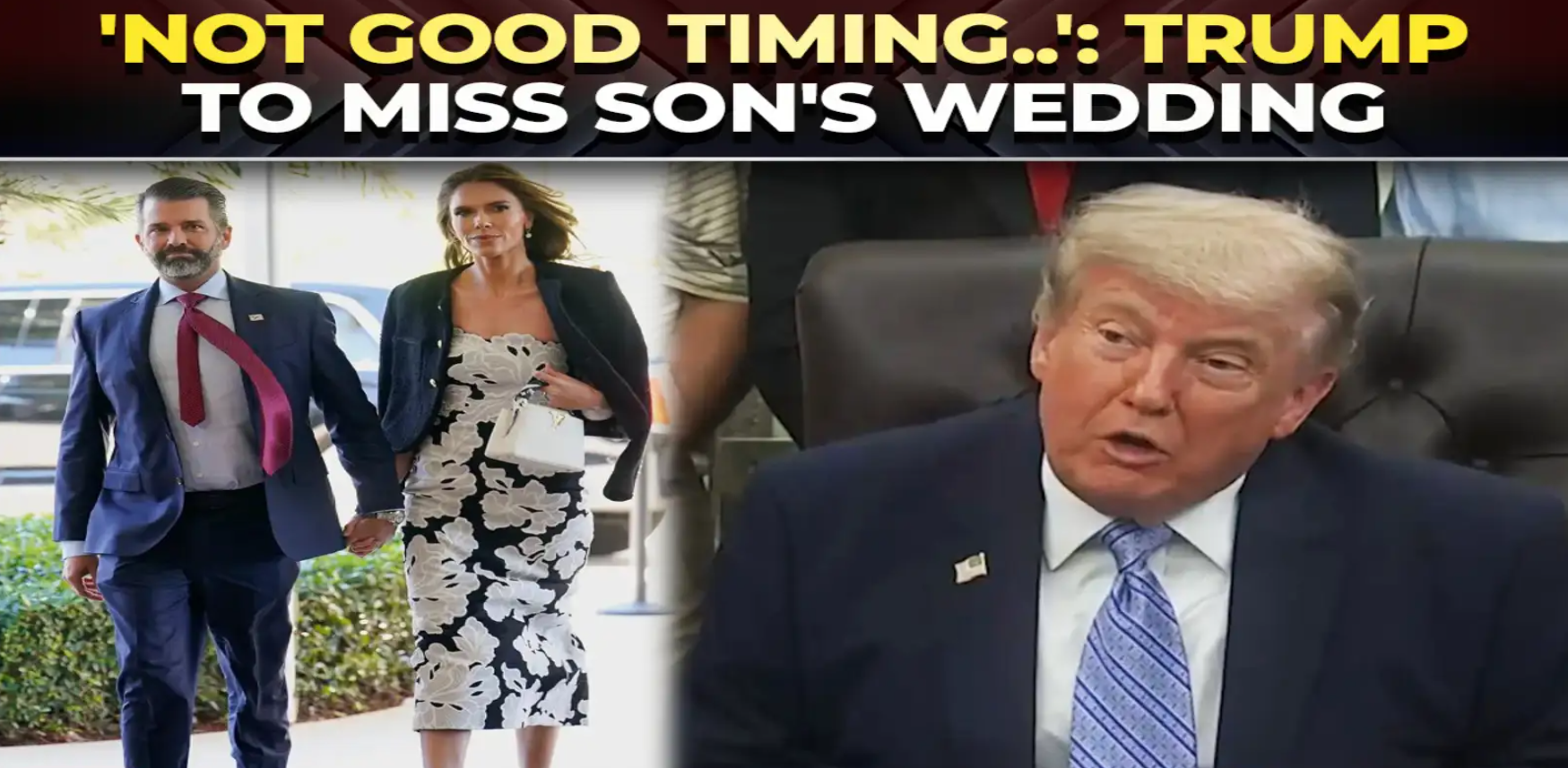
Reports that Donald Trump did not attend one of his son’s major personal events have sparked widespread discussion online, drawing attention to the complex intersection of public duty, personal life, and high-profile responsibilities.
While details surrounding the situation remain limited and, in some cases, unclear or unconfirmed, the story has quickly gained traction across media platforms. For public figures at the highest levels, balancing family milestones with national or political obligations is rarely straightforward. Events such as weddings, which are deeply personal and significant, can sometimes conflict with responsibilities that demand immediate attention.
Historically, leaders and high-profile individuals have often faced similar dilemmas. Scheduling conflicts, security considerations, and urgent developments can all play a role in shaping decisions that might otherwise seem simple. In Trump’s case, speculation has ranged from political commitments to logistical or security-related constraints, though no single explanation has been definitively confirmed.
The public reaction has been mixed. Some view the absence as understandable given the demands associated with leadership and public life. Others see it as a reminder of the sacrifices that come with positions of power—not only for the individuals themselves but also for their families.
The Trump family has long been in the spotlight, with personal milestones frequently becoming public talking points. This situation is no different, as conversations continue to unfold across social media and news outlets. However, without verified statements directly addressing the circumstances, much of the discussion remains speculative.
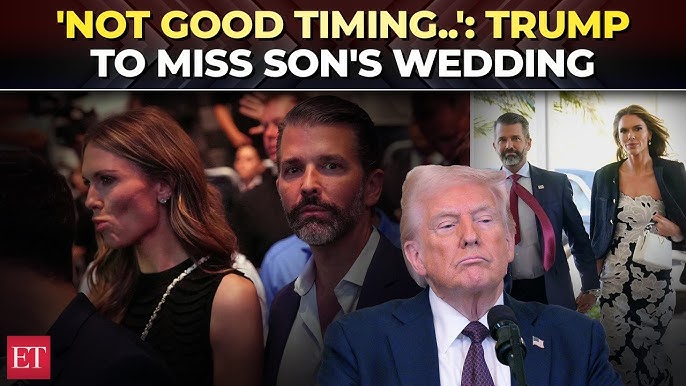
Moments like these highlight a broader reality: for globally recognized figures, private life is rarely entirely private. Even deeply personal events can become subjects of public scrutiny, debate, and interpretation.
Ultimately, whether driven by duty, circumstance, or personal choice, the situation reflects the ongoing challenge of balancing public responsibility with family commitments. As more information becomes available, the narrative may evolve—but for now, it serves as another example of how life in the public eye often comes with difficult trade-offs.