





















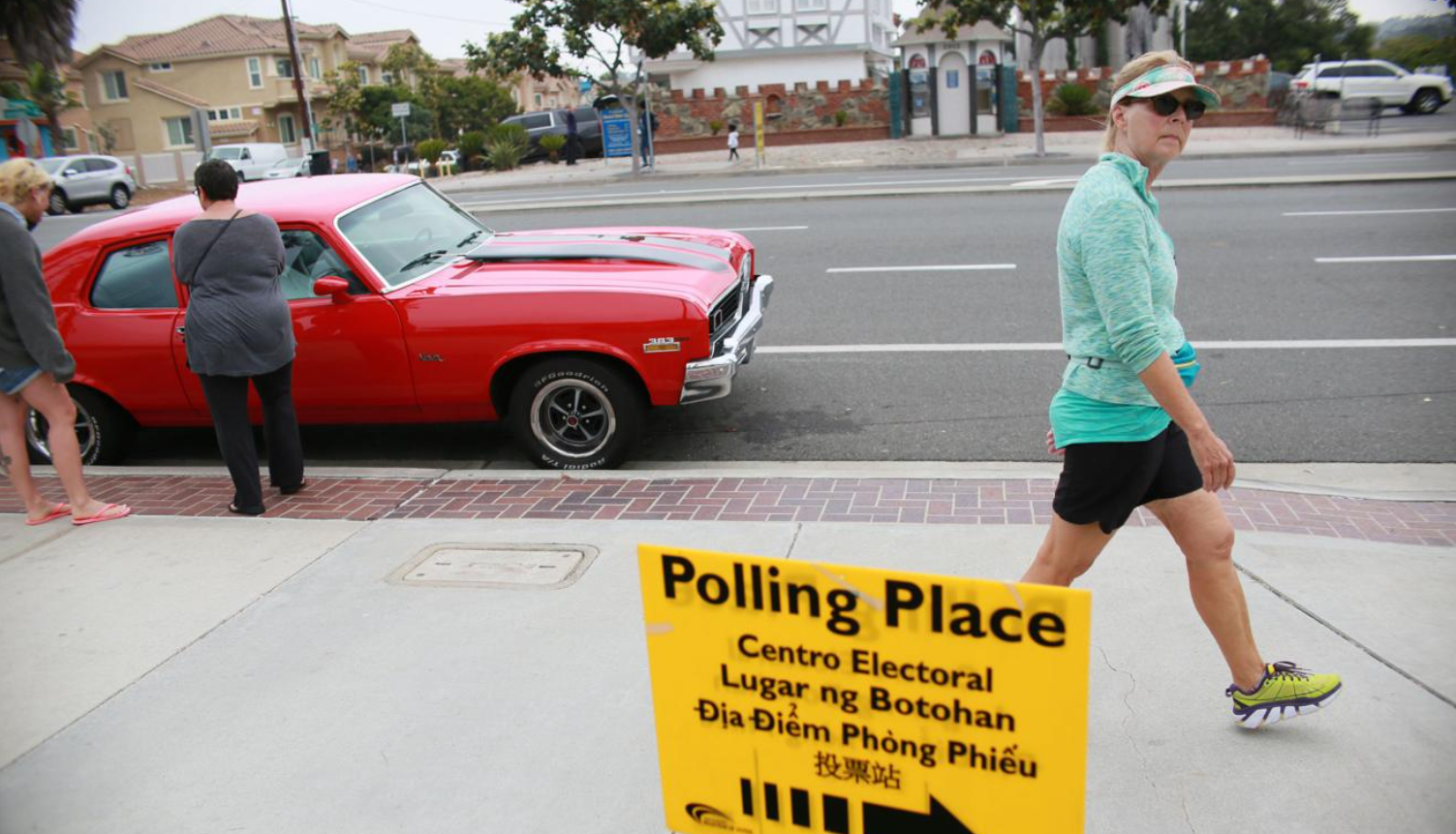
The race to lead California—the world’s fifth-largest economy—has erupted into one of the most intense political showdowns of 2026, with Xavier Becerra and Steve Hilton emerging as the clear frontrunners in a crowded and unpredictable field.
Recent polling shows Becerra, a Democrat and former U.S. Cabinet official, narrowly leading the race, while Hilton, a Republican backed by conservative momentum, is close behind in what analysts describe as a volatile and tightening contest.
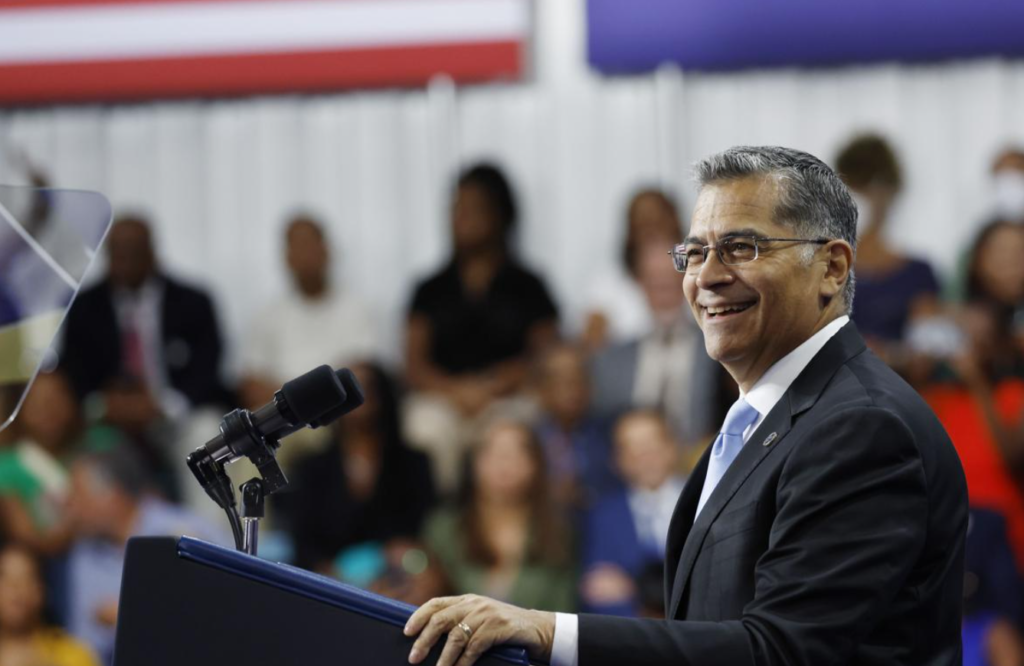
A Race Unlike Any Other
With Governor Gavin Newsom term-limited, California’s political landscape has opened up dramatically. What began as a fragmented field has now consolidated into a high-stakes duel, with Becerra and Hilton dominating voter attention.
Under California’s unique “top-two” primary system, the two highest vote-getters—regardless of party—advance to the general election. This means a direct Becerra vs. Hilton showdown is increasingly likely, setting the stage for a fierce ideological clash.
Becerra’s Strategy: Stability and Experience
Becerra’s campaign leans heavily on his experience in government, positioning himself as a steady hand during a time of economic uncertainty and social challenges. His support base includes urban voters and key Democratic constituencies, and recent polling shows him gaining momentum after early doubts about his candidacy.
However, critics argue that his campaign lacks excitement, and questions around political baggage and party divisions continue to follow him.
Hilton’s Rise: Populism Meets Discontent
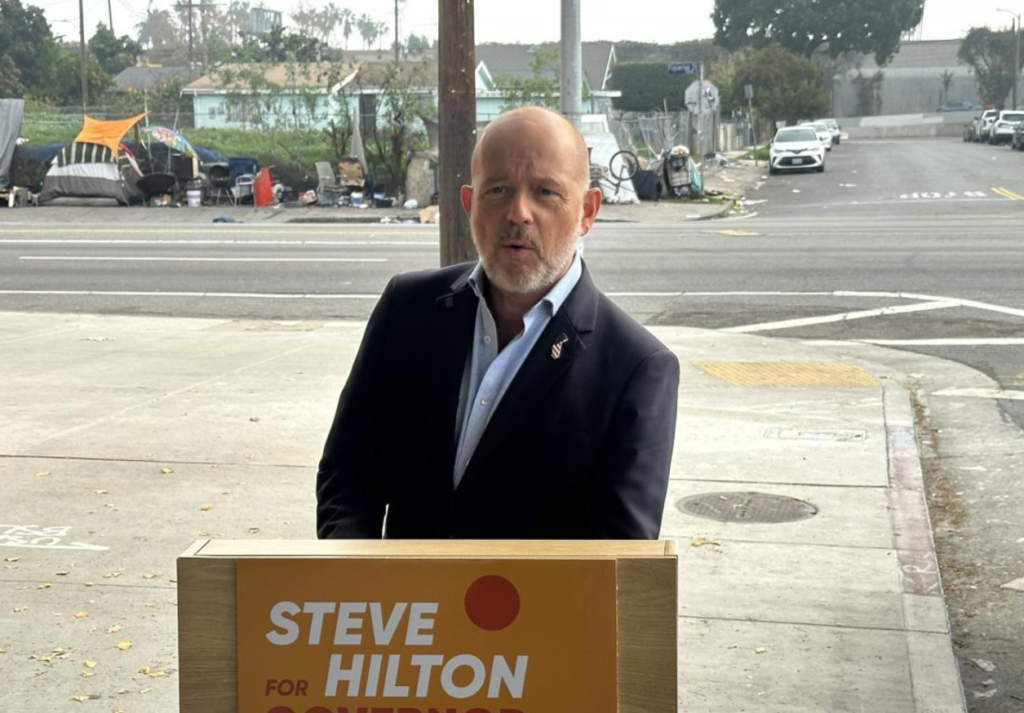
On the other side, Hilton’s surge has surprised many. A former media figure and political outsider, he has tapped into voter frustration over rising living costs, housing shortages, and government inefficiency.
Despite California’s strong Democratic lean, Hilton’s message is resonating with voters seeking change. His campaign, bolstered by national conservative support, has turned what was once considered a long-shot bid into a serious challenge.
Big Money, Bigger Stakes
The race has also attracted record-breaking outside spending, with tens of millions of dollars flowing into campaign efforts from corporations, unions, and political groups.
This financial firepower underscores what’s at stake: control over a state that influences national policy on climate, technology, immigration, and the economy.
What Happens Next
As the primary election approaches, millions of undecided voters could still tip the balance. The race remains fluid, with late-breaking developments capable of reshaping the outcome overnight.
One thing is clear: this is no ordinary election. It’s a defining political battle that could signal the future direction of not just California—but the entire United States.