



















A stunning new report is fueling international concern after U.S. officials reportedly concluded that a Chinese-made shoulder-fired missile may have been responsible for shooting down an American F-15E Strike Eagle over Iran earlier this year. The incident marked the first time in decades that a U.S. fighter jet was reportedly brought down by enemy fire, making it one of the most significant military developments of the ongoing regional conflict.

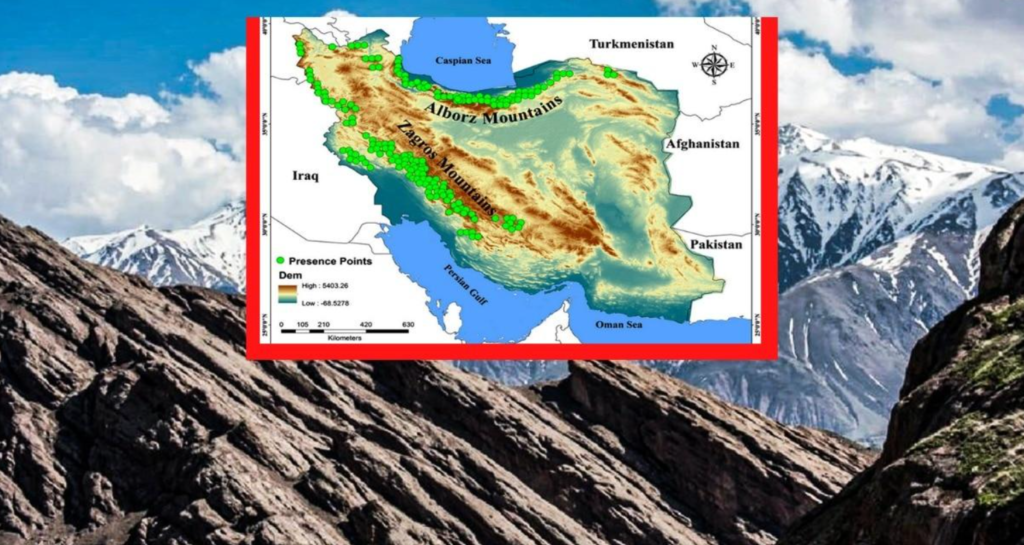
According to reports citing sources familiar with the investigation, the aircraft was likely struck by a Chinese-manufactured man-portable air defense system (MANPADS) while operating over southwestern Iran. U.S. investigators are still reviewing the circumstances of the shootdown, but early assessments suggest the missile may have played a decisive role in the loss of the aircraft.
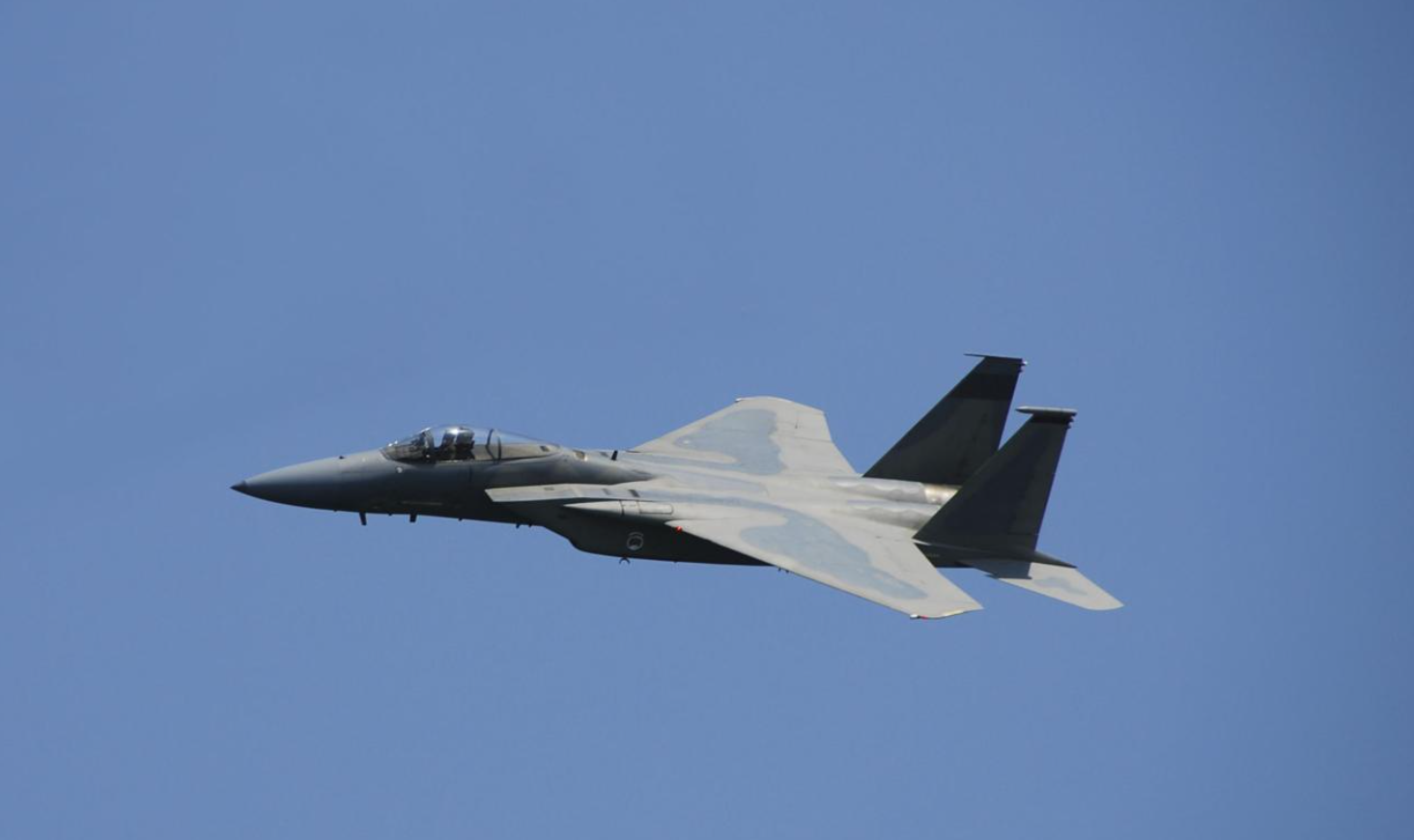
The downed aircraft was an McDonnell Douglas F-15E Strike Eagle, one of the most advanced strike fighters in the U.S. Air Force. Following the incident, both crew members ejected into Iranian territory, triggering a massive rescue mission involving special operations forces, aircraft, and intelligence assets. One crew member was recovered within hours, while the second reportedly remained hidden for nearly two days before being extracted.
Even more alarming are claims that China may have supplied Iran with advanced early-warning radar systems capable of detecting stealth aircraft. Reports indicate U.S. intelligence agencies are examining whether Chinese radar technology helped Iranian forces track American aircraft during the conflict. These allegations have not been officially confirmed, but they have intensified scrutiny of Beijing’s relationship with Tehran.
Military analysts note that modern MANPADS are highly effective against low-flying aircraft and can be carried and launched by a single operator. If the investigation confirms Chinese-origin equipment was used, it could have significant geopolitical consequences, potentially escalating tensions between the United States and China at a time when relations are already strained.
Officials have not publicly identified the exact missile model involved, and the investigation remains ongoing. Several reports emphasize that the findings are still preliminary and have not yet been formally confirmed by the Pentagon.
As new intelligence continues to emerge, the incident is rapidly becoming more than a battlefield story. It is evolving into a major geopolitical flashpoint involving military technology, international alliances, and the future balance of power in the Middle East and beyond.