



















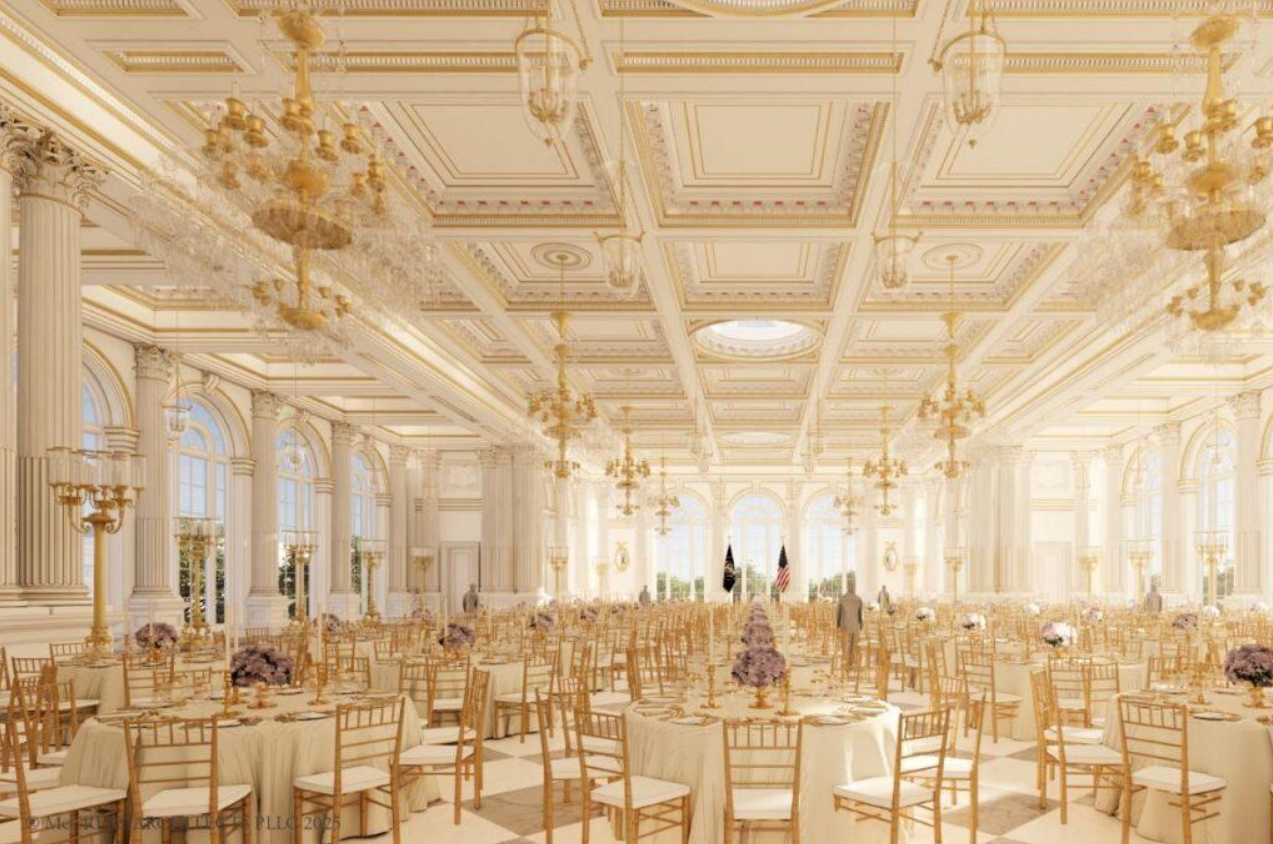
In the aftermath of the recent security incident near the White House, discussions around presidential infrastructure and security have taken a new turn. Alina Habba has reportedly renewed efforts to promote a long-discussed proposal tied to Donald Trump—the construction of a grand ballroom at the White House.
The proposal, which has circulated in various forms over the years, envisions a large, modern event space capable of hosting official state functions, ceremonies, and high-profile gatherings. Supporters argue that such a venue would reduce reliance on temporary structures like tents and enhance the ability to host diplomatic events with greater efficiency and prestige..
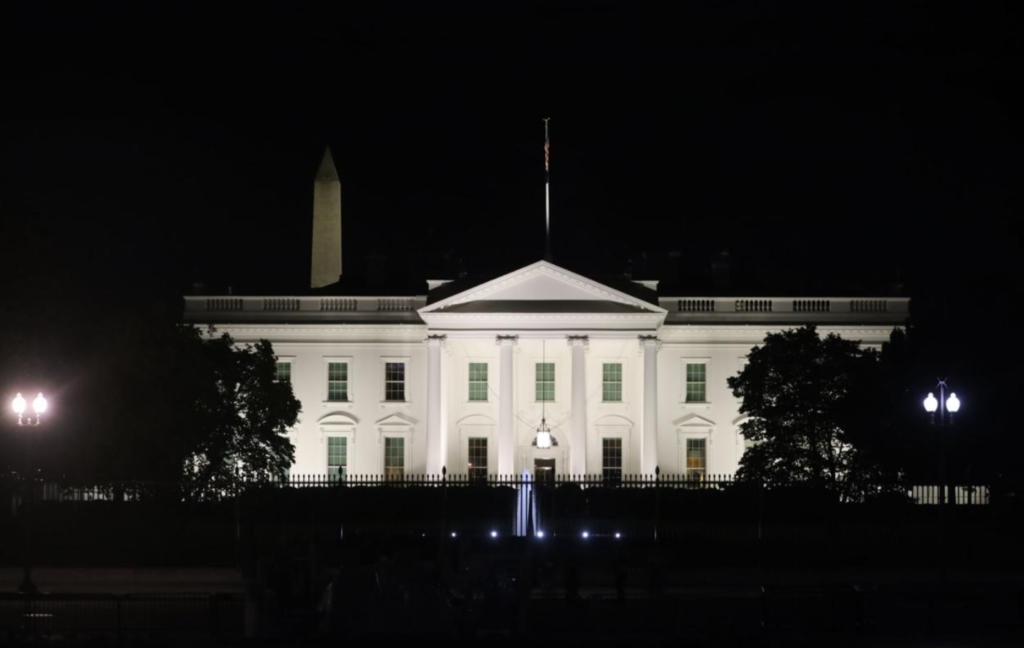
However, the timing of this renewed push is drawing attention. The recent shooting near the White House—where law enforcement responded to an armed individual—has intensified scrutiny around security measures and the physical layout of the presidential complex. Experts note that any structural expansion would need to carefully balance accessibility, aesthetics, and, most critically, security.
Proponents of the ballroom concept suggest that a purpose-built facility could actually improve security logistics by centralizing large events in a controlled environment. By contrast, critics argue that expanding the footprint of the White House grounds could introduce new vulnerabilities or complicate existing protection protocols managed by agencies like the United States Secret Service.
The debate also carries political undertones. Trump has long expressed interest in upgrading White House facilities, including offering to fund or support the construction of a ballroom during his presidency. For supporters, the idea symbolizes modernization and national prestige. For opponents, it raises questions about priorities, costs, and the appropriateness of altering a historic landmark.
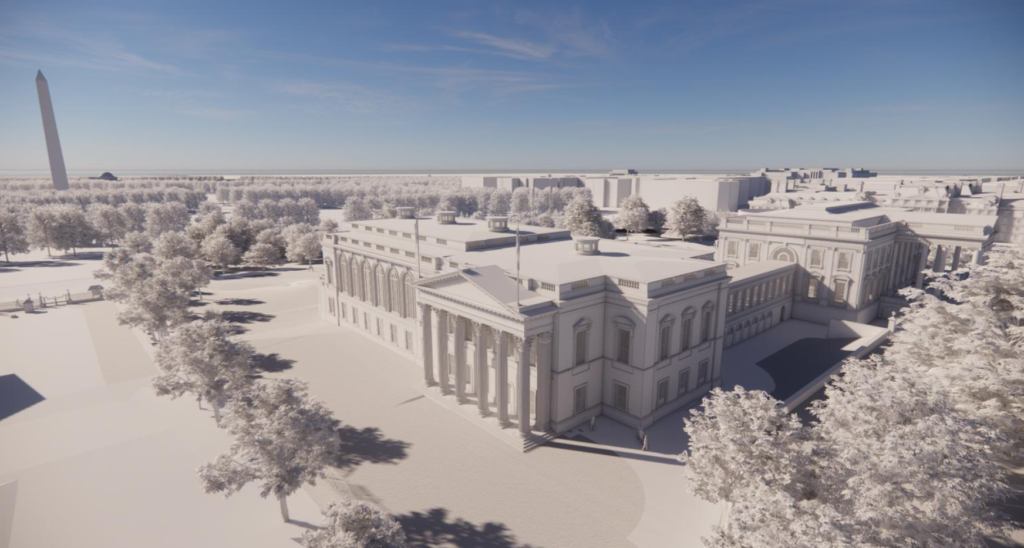
Meanwhile, public attention remains divided between the immediate security concerns highlighted by the recent incident and the broader discussion about the future of presidential infrastructure. The White House is not only a working government building but also a symbol of American history and global diplomacy, making any proposed changes subject to intense debate.
As conversations continue, officials have not confirmed any formal plans or approvals related to the ballroom project. What is clear, however, is that the intersection of security, politics, and design will shape how — or if — the proposal moves forward in the coming months.