




















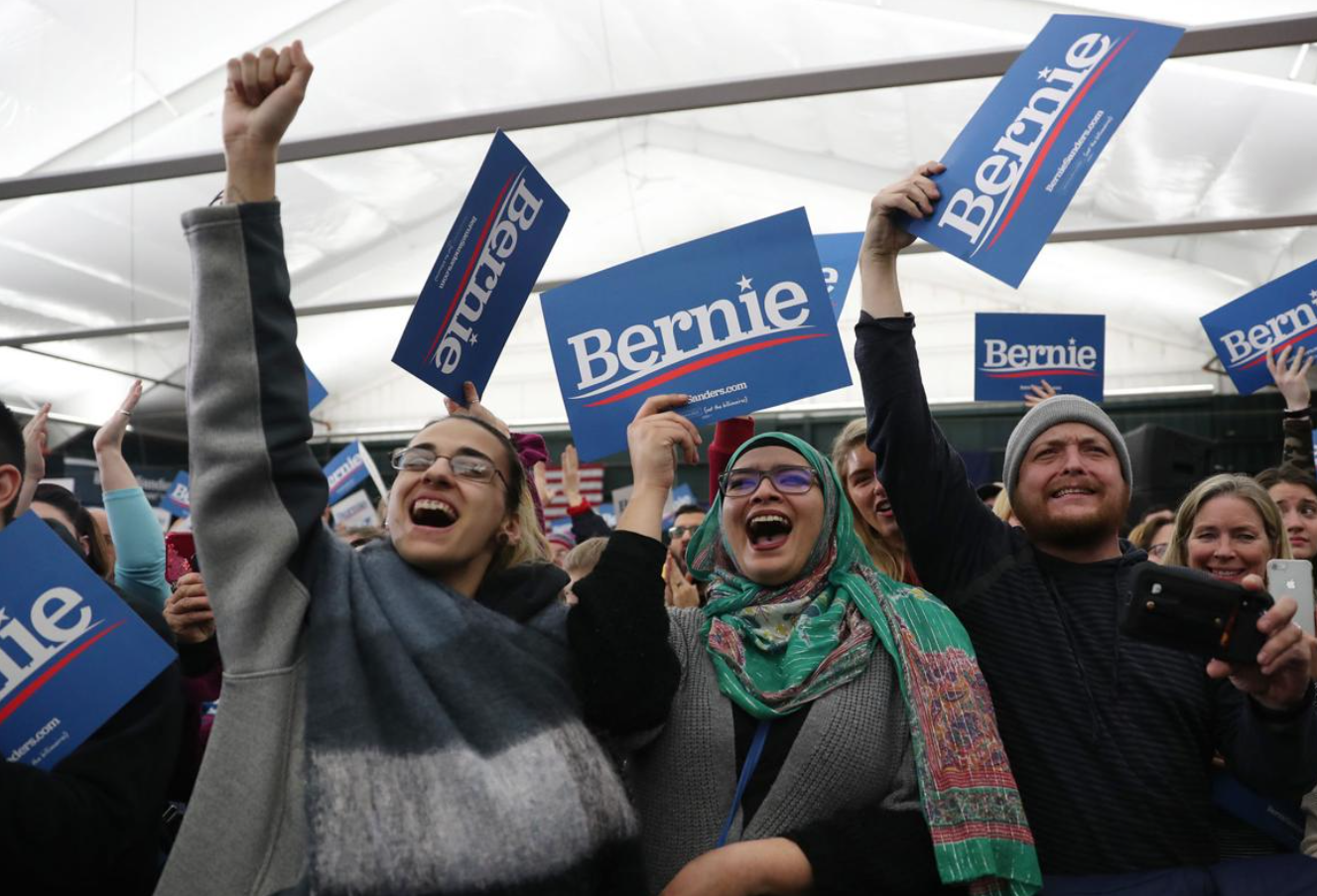
The energy of grassroots politics was on full display in Maine as Bernie Sanders brought his nationally recognized “Fighting Oligarchy Tour” to the state, delivering a message focused on economic fairness, political reform, and the influence of wealth in American democracy.
At the center of the event were endorsements for two local candidates—Jackson and Platner—who Sanders described as aligned with a broader movement aimed at challenging entrenched power structures. While the tour has made stops across multiple states, its visit to Maine underscored the growing importance of regional races in shaping the national political landscape.

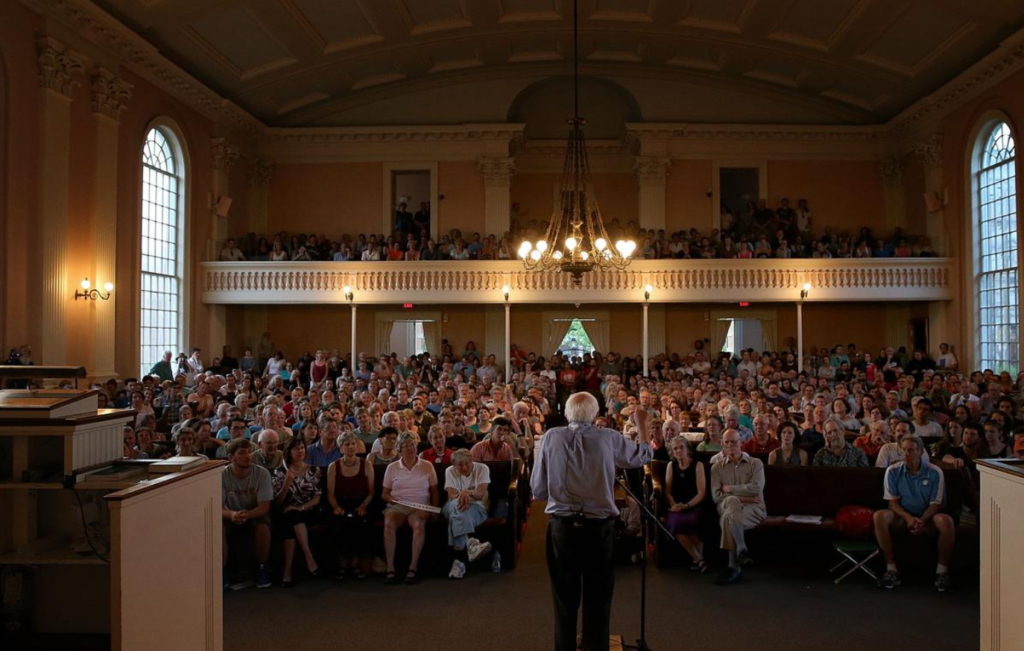
Speaking to a packed audience, Sanders emphasized issues such as income inequality, corporate influence in politics, healthcare accessibility, and workers’ rights. His remarks resonated strongly with attendees, many of whom view these concerns as central to their everyday lives. The endorsements were framed not just as support for individual campaigns, but as part of a larger effort to build momentum for systemic change.
The candidates themselves used the platform to outline their priorities, focusing on local economic development, community investment, and policies aimed at supporting working families. Their alignment with Sanders’ message reflects a broader trend among progressive candidates seeking to connect national themes with local challenges.
Political analysts note that events like the “Fighting Oligarchy Tour” serve multiple purposes: energizing the base, increasing visibility for emerging candidates, and reinforcing key campaign narratives. In states like Maine, where local elections can have outsized influence, such endorsements can provide a significant boost in both recognition and credibility.
Critics, however, argue that the rhetoric surrounding “oligarchy” can be polarizing, potentially deepening political divisions. Supporters counter that the message reflects real economic concerns and a growing demand for accountability among political and corporate leaders.
As the election cycle intensifies, the impact of Sanders’ involvement will likely become clearer. For now, the Maine stop has added fresh momentum to local campaigns while reinforcing a national conversation about power, inequality, and the future direction of American politics.