

















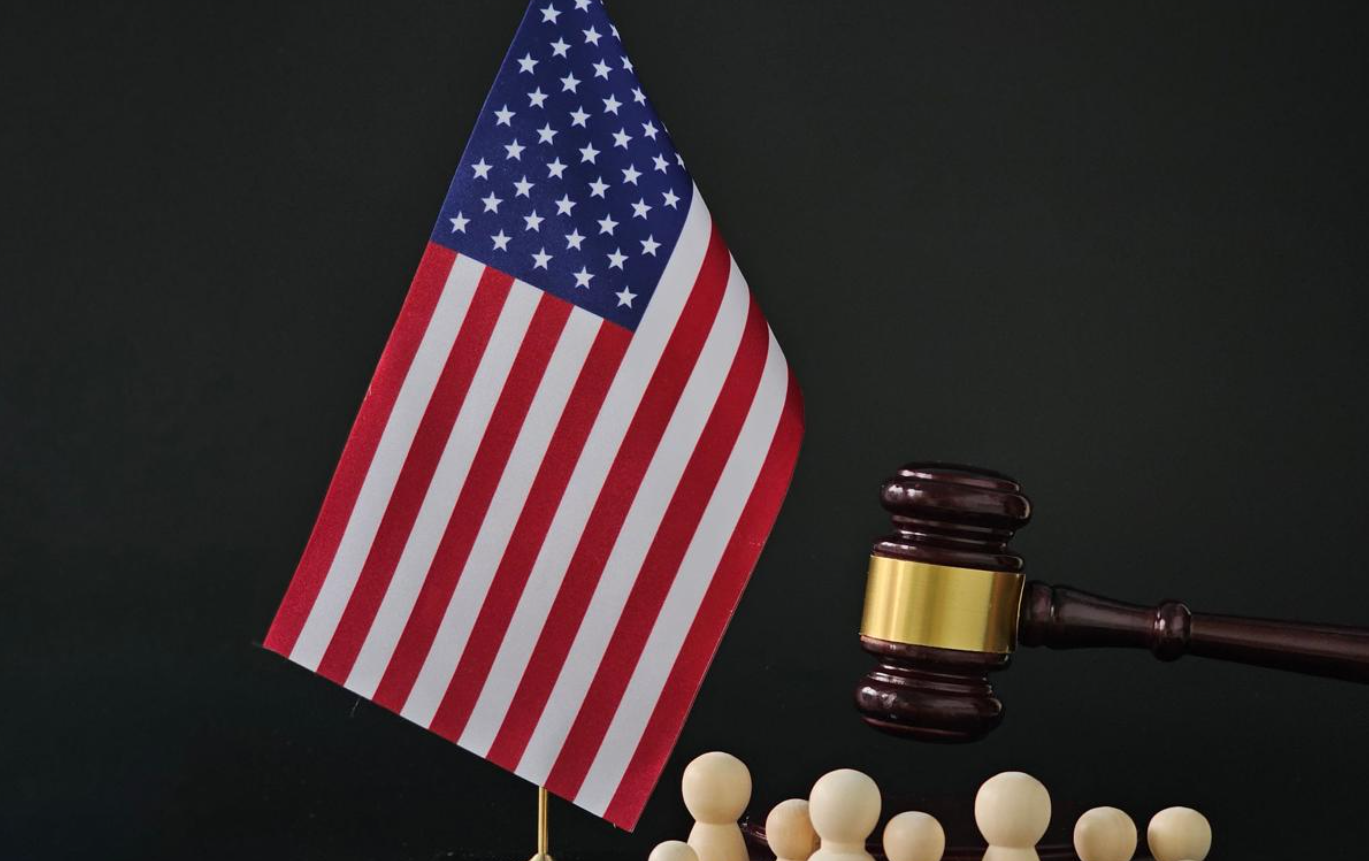
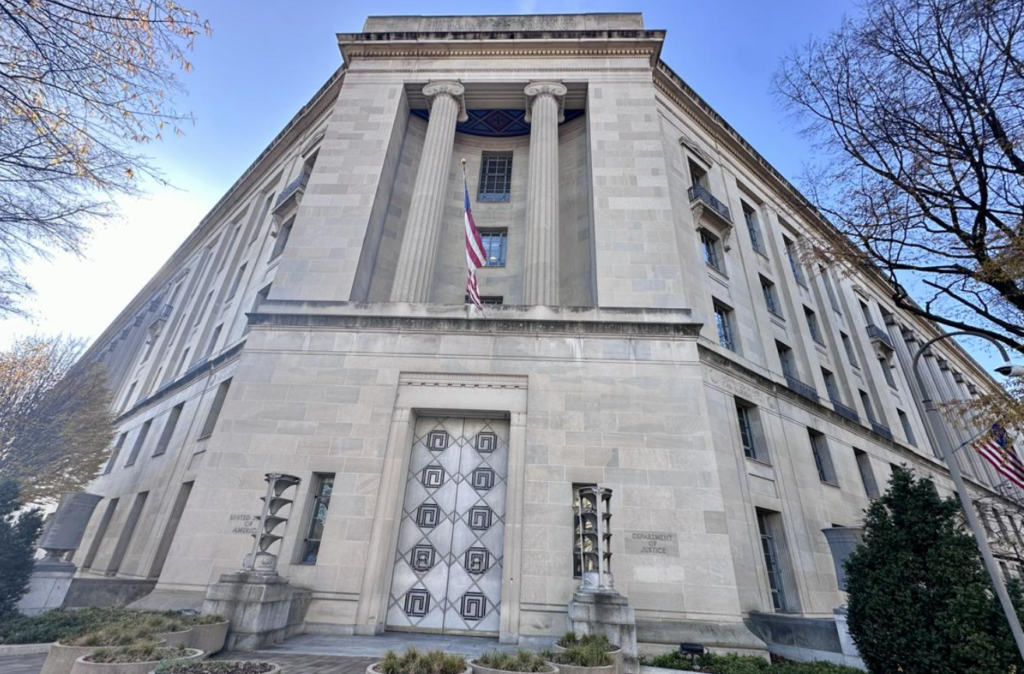
In a dramatic and highly unusual development, the U.S. Department of Justice has reportedly indicted former Cuban President Raúl Castro. The move marks a significant escalation in legal and diplomatic tensions between the United States and Cuba, drawing immediate global attention and raising complex questions about international law and political accountability.
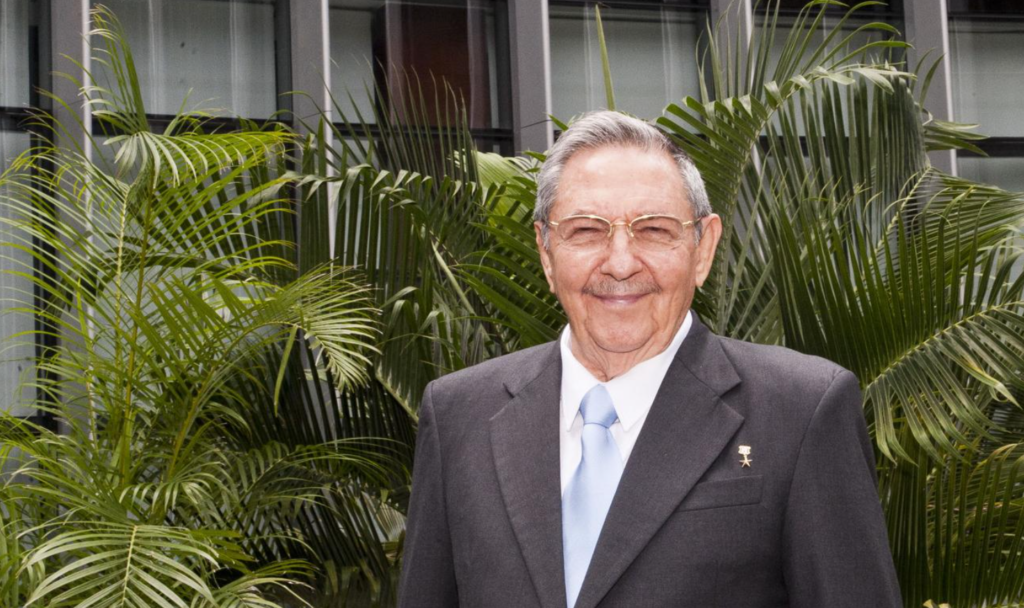
While specific details of the indictment have not yet been fully disclosed, early reports suggest that the charges could be linked to longstanding U.S. allegations involving human rights violations, security concerns, or other geopolitical disputes. If confirmed, this would represent one of the rare instances in which a former head of state has been formally targeted by U.S. legal authorities.
Raúl Castro, who served as Cuba’s president from 2008 to 2018 following the leadership of his brother Fidel Castro, remains a prominent figure in Cuban political history. His tenure was marked by cautious economic reforms and a brief thaw in relations with the United States during the mid-2010s. However, tensions between the two nations have persisted, particularly around issues of governance, civil liberties, and foreign policy alignment.
Legal experts note that indicting a former foreign leader presents significant challenges. Questions of jurisdiction, enforcement, and international cooperation will likely determine whether the case proceeds beyond symbolic legal action. Without extradition agreements or cooperation from Cuban authorities, it remains unclear how or if the charges could be practically enforced.
The announcement is expected to have broader diplomatic repercussions. Analysts anticipate strong reactions from Havana, as well as concern from other nations monitoring the implications of such legal actions on international norms. The move could also influence ongoing debates about sovereignty, accountability, and the role of powerful nations in pursuing justice beyond their borders.
As more information emerges, global observers will be watching closely to understand the motivations behind the indictment and its potential consequences. Whether this development leads to tangible legal proceedings or remains largely symbolic, it underscores the increasingly complex intersection of law, politics, and international relations in today’s world.