



















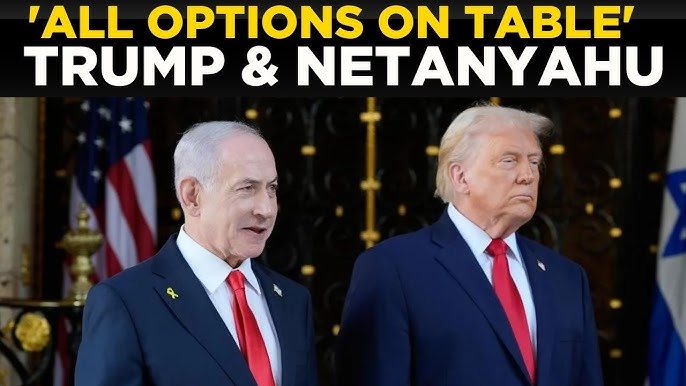
In a dramatic moment underscoring the volatility of the Middle East crisis, Israeli Prime Minister Benjamin Netanyahu was reportedly pulled from a high-level conference to take an urgent call with U.S. President Donald Trump, as tensions with Iran escalated sharply.
The sudden interruption came just as Trump issued a stark warning on social media, declaring that Iran would be “laughing no more,” signaling a potential shift toward a more aggressive posture.
A Region on Edge
The urgent communication highlights the increasingly fragile situation surrounding Iran, as diplomatic efforts appear to falter and military rhetoric intensifies.
Recent developments suggest that Iran has resisted key elements of a U.S.-backed proposal to reopen negotiations on its nuclear program, frustrating Washington and its allies.
At the same time, regional instability continues to grow, with drone strikes, maritime tensions in the Strait of Hormuz, and ongoing military activity involving Israel and allied groups.
Behind the Urgent Call
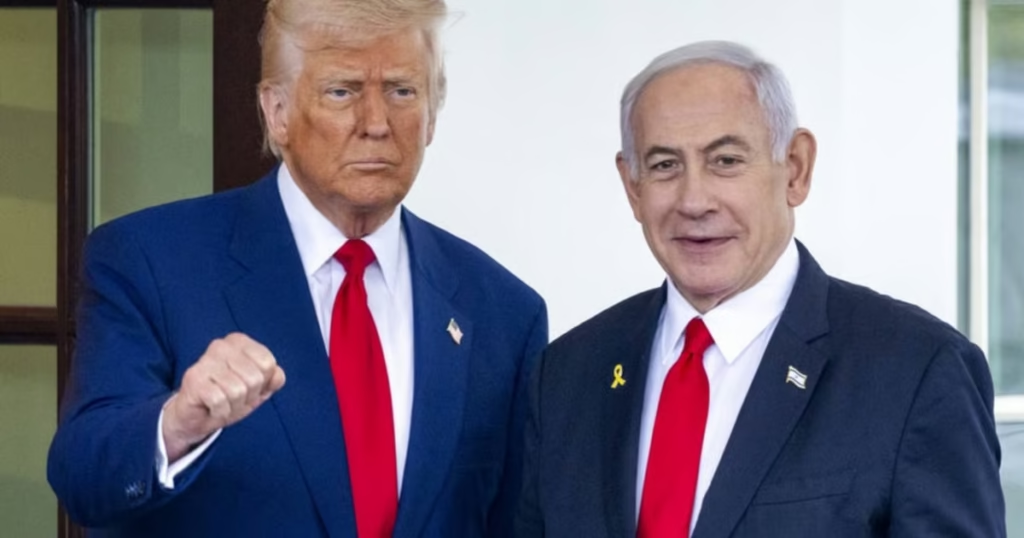
While official details of the Netanyahu–Trump call have not been publicly disclosed, such high-priority communications are rarely routine. Historically, similar calls between the two leaders have coincided with critical decisions regarding Iran’s nuclear ambitions, military actions, or ceasefire negotiations.
Analysts suggest the timing points to one of three possibilities:
- Escalation planning — potential military or strategic responses
- Diplomatic recalibration — reassessing stalled negotiations
- Crisis coordination — aligning U.S. and Israeli positions amid uncertainty
The urgency itself reflects how quickly the situation may be evolving behind closed doors.
Trump’s Warning: Signal or Strategy?
Trump’s statement that Iran would be “laughing no more” fits a broader pattern of hardline messaging. In recent days, he has alternated between pushing for a negotiated settlement and issuing direct threats of severe military consequences if talks collapse.
Such rhetoric may serve multiple purposes:
- Pressuring Iran back to the negotiating table
- Reassuring allies of U.S. resolve
- Signaling readiness for escalation if diplomacy fails
Strains in a Key Alliance
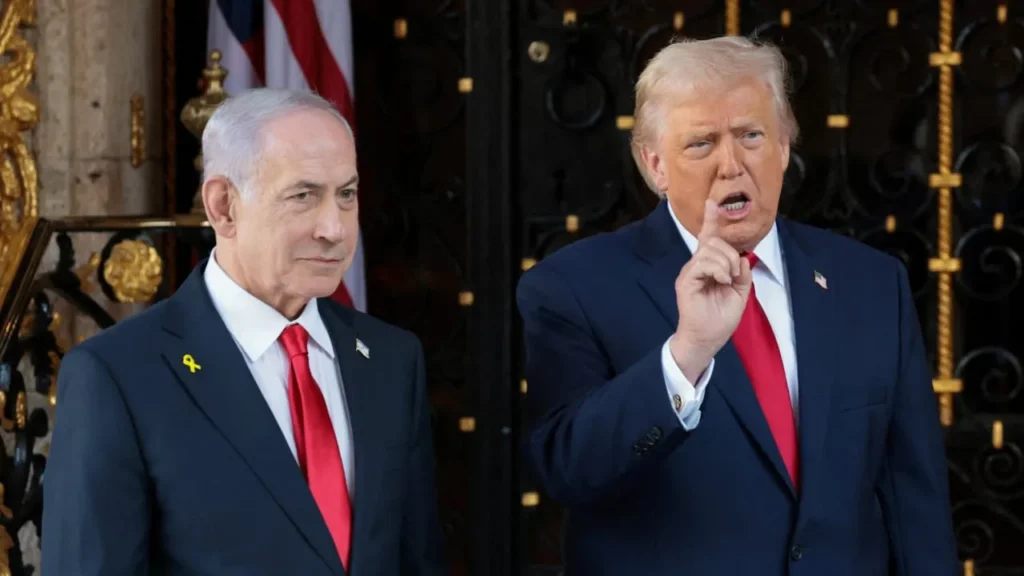
Despite public displays of unity, reports indicate that the relationship between Washington and Jerusalem is under strain. Differences over strategy, timing, and war objectives have created friction between Trump and Netanyahu in recent weeks.
This makes their direct communication even more significant — suggesting that coordination remains essential, even amid disagreement.
What Comes Next?
The combination of:
- An urgent leader-to-leader call
- Escalating rhetoric
- Ongoing regional instability
points to a critical juncture in the crisis.
Whether this moment leads to renewed diplomacy or a deeper confrontation remains unclear. What is certain, however, is that decisions made in conversations like this one could shape the trajectory of the conflict — not just for the region, but for global stability.
Final Word
Moments like these rarely make headlines in full detail — but they often mark turning points.
A phone call. A warning. A region holding its breath.